
Black beans
Usually introduced around 6 months
Prep warning
Cook beans until very soft and serve them without added salt.
Choking notes
A whole, round bean is a choking shape. Mash or flatten each one until the airway-blocking shape is gone, and keep flattening round beans through the toddler years.
How to serve by age
6-9 months
Cook black beans until very soft, then mash or flatten each one well, or blend into a smooth spread (a no-salt hummus-style mash). Never offer a whole, intact bean at this stage. Skip added salt.
Mash or flatten every bean, or a smooth spread.
9-12 months
As the pincer grasp develops, offer soft cooked beans lightly mashed or squashed so no whole round bean remains. Squash or halve each one; larger beans can be quartered. Keep them soft and unsalted.
Squash or halve each bean; quarter larger ones.
12-18 months
Serve black beans in soft family-style dishes. Lightly squash or flatten each one, and chop the larger ones. A whole round bean is still a choking shape at this age, so keep flattening round beans rather than serving them whole. Keep salt low.
Lightly squash or flatten each bean; chop larger ones. Don't serve whole round beans.
Key nutrients
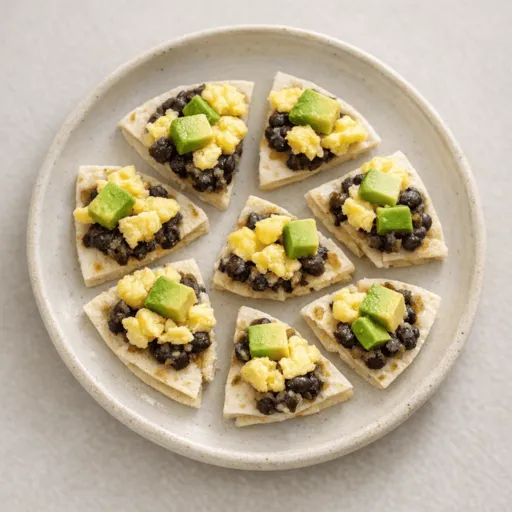
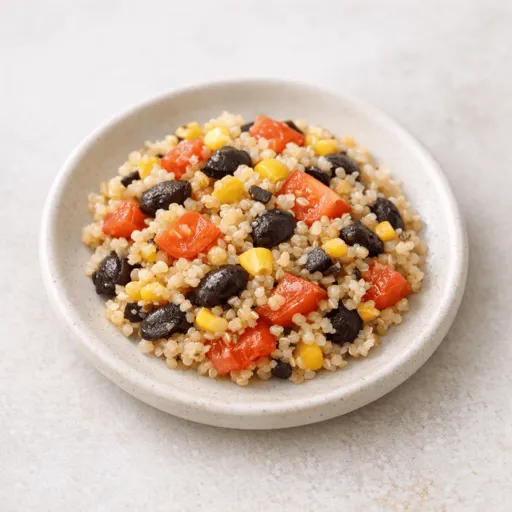
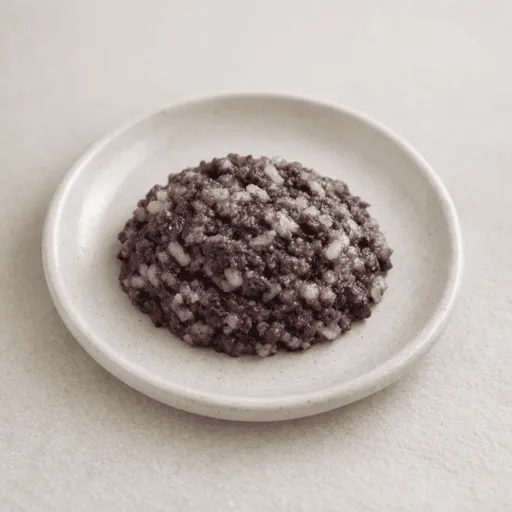
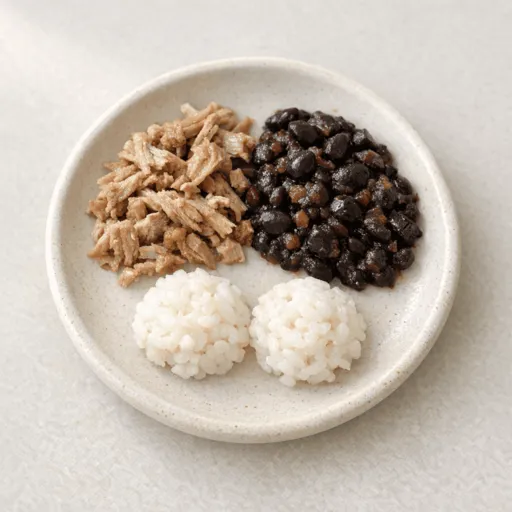
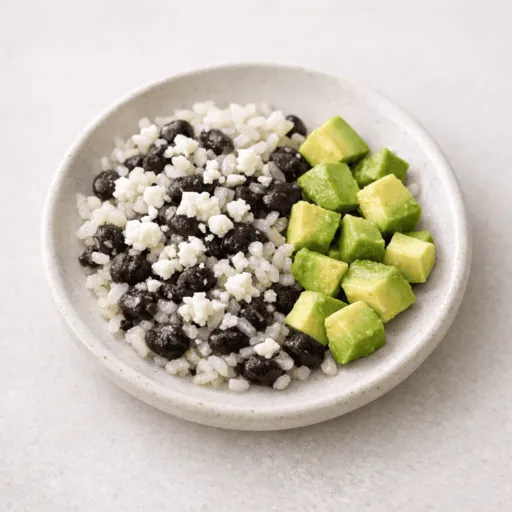
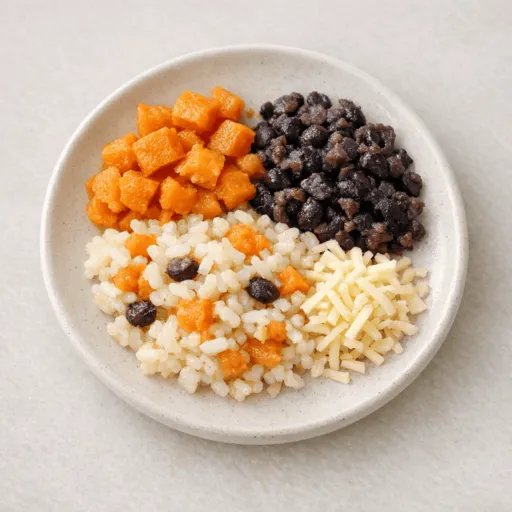
Meal ideas with Black beans
Common questions
When can my baby eat Black beans?
Most babies can try Black beans from around 6 months, once they show signs of readiness. Check the prep and cut-size notes above before you start.
Is Black beans a choking hazard for babies?
Black beans carries a moderate choking risk for babies. Follow the age-appropriate cut sizes and textures above, and always stay close during meals.
Is Black beans a common allergen?
Black beans is not one of the major food allergens. Any new food can still cause a reaction, so keep an eye on your baby the first few times.
General informational content, not medical advice. Always consult your pediatrician about introducing new foods, especially if your baby has any medical conditions or family history of allergies.
Track Black beans and every first food in nappi
Log solids, watch for reactions, and get reminders to reintroduce new foods. Free to try.