
Lime
Usually introduced around 6 months
Prep warning
Always remove lime seeds before serving. Lime is highly acidic and can irritate the skin around the mouth or the diaper area; wipe your baby's face after eating and offer it in small amounts.
How to serve by age
6-9 months
Lime is very tart, so it works best as a flavoring rather than a food on its own. Squeeze a little juice into purees, plain yogurt, soups, or cooked vegetables, or stir in a small amount of finely grated zest. Remove all seeds first and wipe baby's face afterward, since the acidity can redden delicate skin.
A few drops of seedless juice or a little finely grated zest stirred into food.
9-12 months
Keep lime as a flavoring. A squeeze over fish, beans, avocado, or vegetables, or zest folded into yogurt and baked goods, adds brightness. Whole raw segments are too sour and stringy for most babies, so stay with juice and zest. Continue removing seeds and wiping the face after.
Seedless juice or finely grated zest mixed into other foods; not raw segments.
12-18 months
Lime stays a flavoring at this age. Juice in dressings, sauces, and over cooked dishes, or zest in baked goods, works well. If your toddler wants a small piece of peeled, seedless flesh, expect a pucker; keep pieces small and soft. Limit very acidic foods if you notice mouth or diaper-area irritation.
Juice and zest in dishes; any flesh peeled, seeded, and in small soft pieces.
Key nutrients
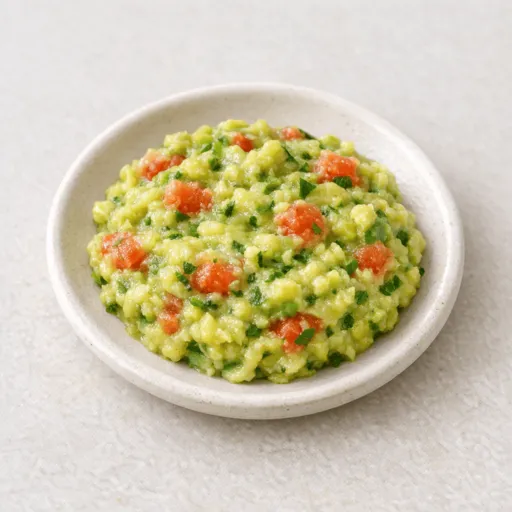
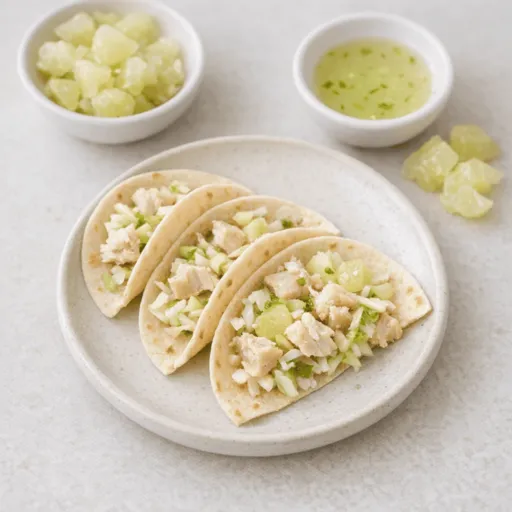
Meal ideas with Lime
Common questions
When can my baby eat Lime?
Most babies can try Lime from around 6 months, once they show signs of readiness. Check the prep and cut-size notes above before you start.
Is Lime a choking hazard for babies?
Lime is considered a lower choking-risk food when served in age-appropriate sizes and textures. Follow the cut sizes above and always stay close during meals.
Is Lime a common allergen?
Lime is not one of the major food allergens. Any new food can still cause a reaction, so keep an eye on your baby the first few times.
General informational content, not medical advice. Always consult your pediatrician about introducing new foods, especially if your baby has any medical conditions or family history of allergies.
Track Lime and every first food in nappi
Log solids, watch for reactions, and get reminders to reintroduce new foods. Free to try.