
Onion
Usually introduced around 6 months
How to serve by age
6-9 months
Onion is usually a flavor base rather than a food on its own at this age. Cook it down until very soft and blend it into purées, mashes, or sauces. Raw onion is sharp and firm, so keep it out for now.
Finely chopped and cooked soft, blended into a purée or sauce.
9-12 months
Keep onion finely chopped and cooked until soft, stirred through dishes the baby is already eating. Sautéed or roasted onion turns sweet and tender, which is gentler than its raw, pungent form.
Finely chopped and cooked soft, mixed into food.
12-18 months
Soft-cooked onion can go into family meals in small pieces. If you offer raw onion later, keep it very finely chopped, since raw it stays crunchy and strong.
Small soft-cooked pieces; raw only very finely chopped.
Key nutrients
Meal ideas with Onion
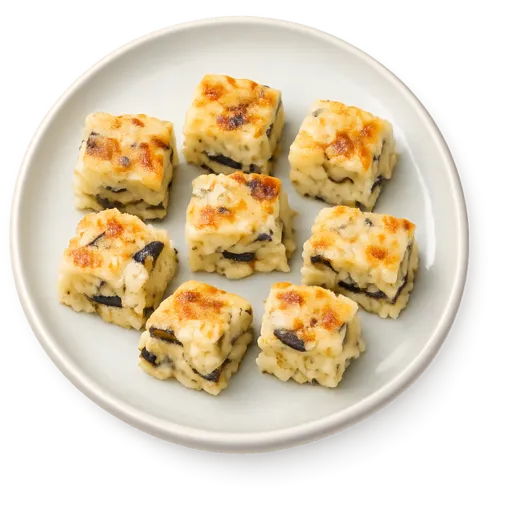
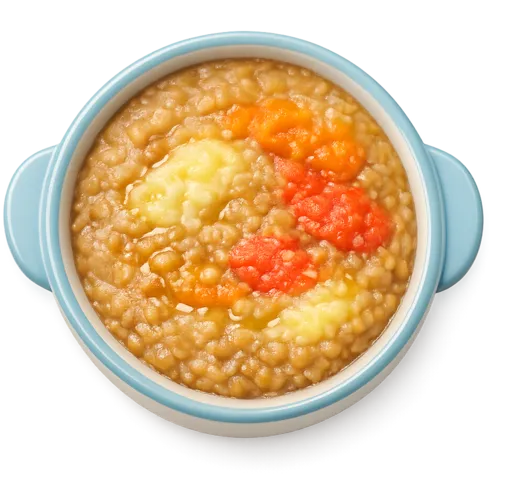

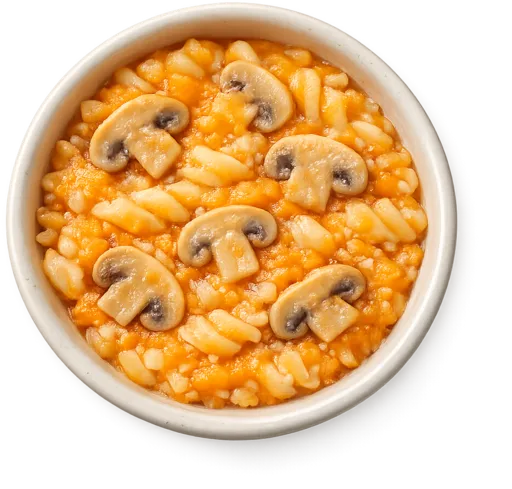

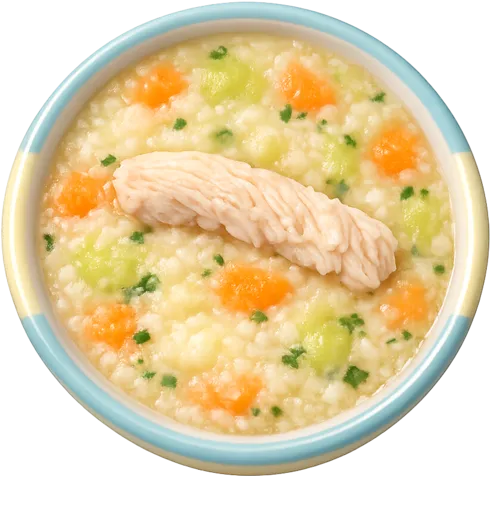
Common questions
When can my baby eat Onion?
Most babies can try Onion from around 6 months, once they show signs of readiness. Check the prep and cut-size notes above before you start.
Is Onion a choking hazard for babies?
Onion is considered a lower choking-risk food when served in age-appropriate sizes and textures. Follow the cut sizes above and always stay close during meals.
Is Onion a common allergen?
Onion is not one of the major food allergens. Any new food can still cause a reaction, so keep an eye on your baby the first few times.
General informational content, not medical advice. Always consult your pediatrician about introducing new foods, especially if your baby has any medical conditions or family history of allergies.
Track Onion and every first food in nappi
Log solids, watch for reactions, and get reminders to reintroduce new foods. Free to try.