Quando mio figlio Max è nato all'inizio di quest'anno, una delle prime cose che ho fatto (da qualche parte tra imparare a fasciarlo e capire perché urlava alle 3 di notte) è stata scaricare tutte le app di monitoraggio neonati che ho trovato.
Mi serviva qualcosa di semplice: registrare il sonno, tracciare le poppate, annotare i cambi di pannolino. Le basi. Quello che ho trovato è stato frustrante.
Il problema con le app per neonati
Le principali app con previsioni del sonno costano dai 50 agli 80 dollari l'anno. Per cosa? Per registrare quando il tuo bambino ha mangiato e dormito. Mi è sembrato eccessivo per quello che in sostanza è un cronometro con un database.
Ma il prezzo non era nemmeno il problema più grande.
La mia famiglia parla spagnolo. I miei genitori volevano aiutare a registrare quando badavano a Max, ma molte delle app più popolari, inclusa Huckleberry (la leader nelle previsioni del sonno), hanno supporto limitato o nullo in spagnolo. Per prodotti usati da famiglie in tutto il mondo, mi è sembrata una lacuna che nessuno stava colmando.
Così ho iniziato a costruire
Ho passato anni come ingegnere del software in Netflix e Amazon, creando prodotti usati da persone in decine di paesi. Quel lavoro mi ha insegnato che il buon software si adatta agli utenti, non il contrario. Quando non ho trovato un'app per neonati che funzionasse per la mia famiglia bilingue, ho deciso di crearne una.
- Sei lingue, non Google Translate. Spagnolo, portoghese, italiano, francese, tedesco e inglese, tutti scritti per suonare naturali. Non solo tradotti, ma localizzati.
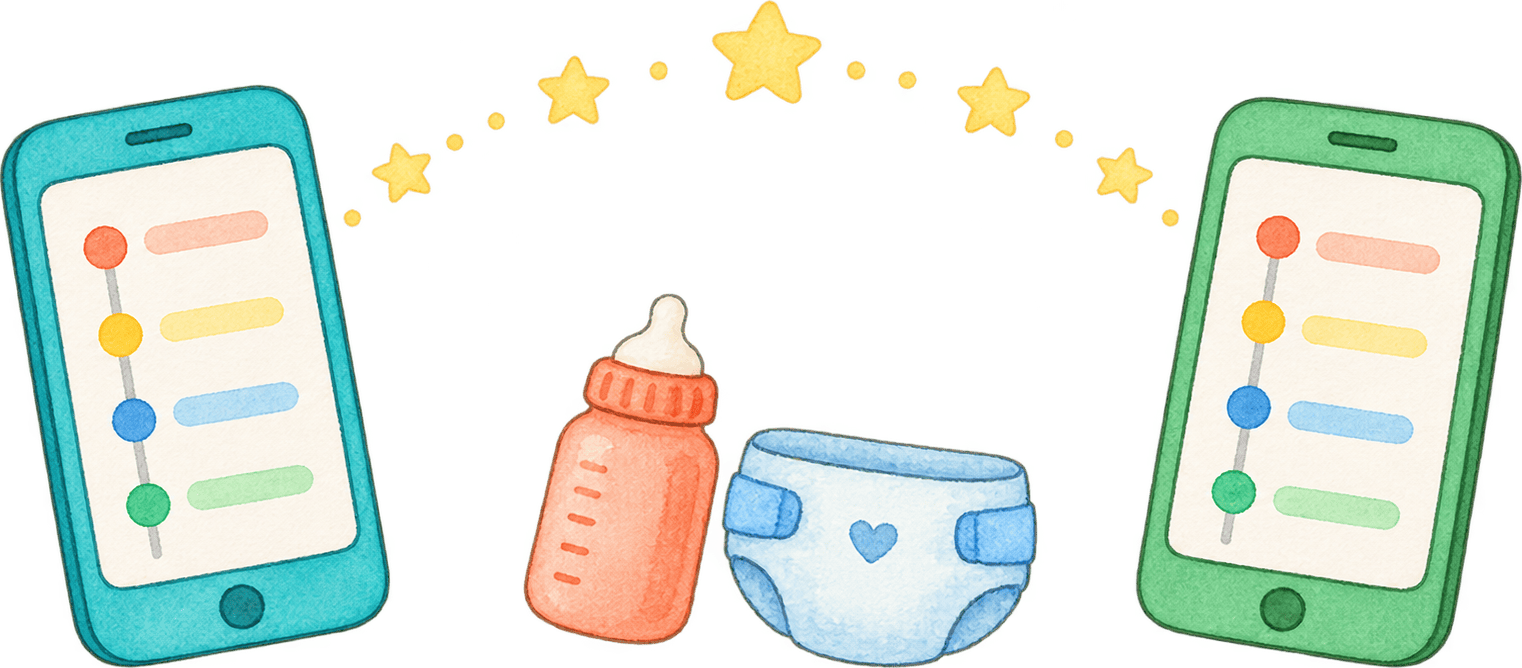
- Sincronizzazione familiare inclusa gratis. Ogni membro della famiglia ha una vista condivisa, indipendentemente dal piano.
- Accessibile. I prezzi Premium sono adattati al paese e un abbonamento copre tutta la famiglia.
- Previsioni intelligenti dei pisolini. Invece di registrare solo i dati, l'app impara i ritmi del tuo bambino e prevede quando dovrebbe essere il prossimo pisolino. Usa l'età del bambino, le finestre di veglia e la sua storia personale del sonno per darti una routine che si adatta ogni giorno.
Cosa fa nappi oggi
Dopo mesi di sviluppo (privato del sonno, l'ironia non mi sfugge), nappi fa molto più di quanto avessi pianificato:
- Monitoraggio del sonno con previsioni: cronometro o inserimento manuale, con previsioni di pisolini e nanna che imparano dai ritmi del tuo bambino
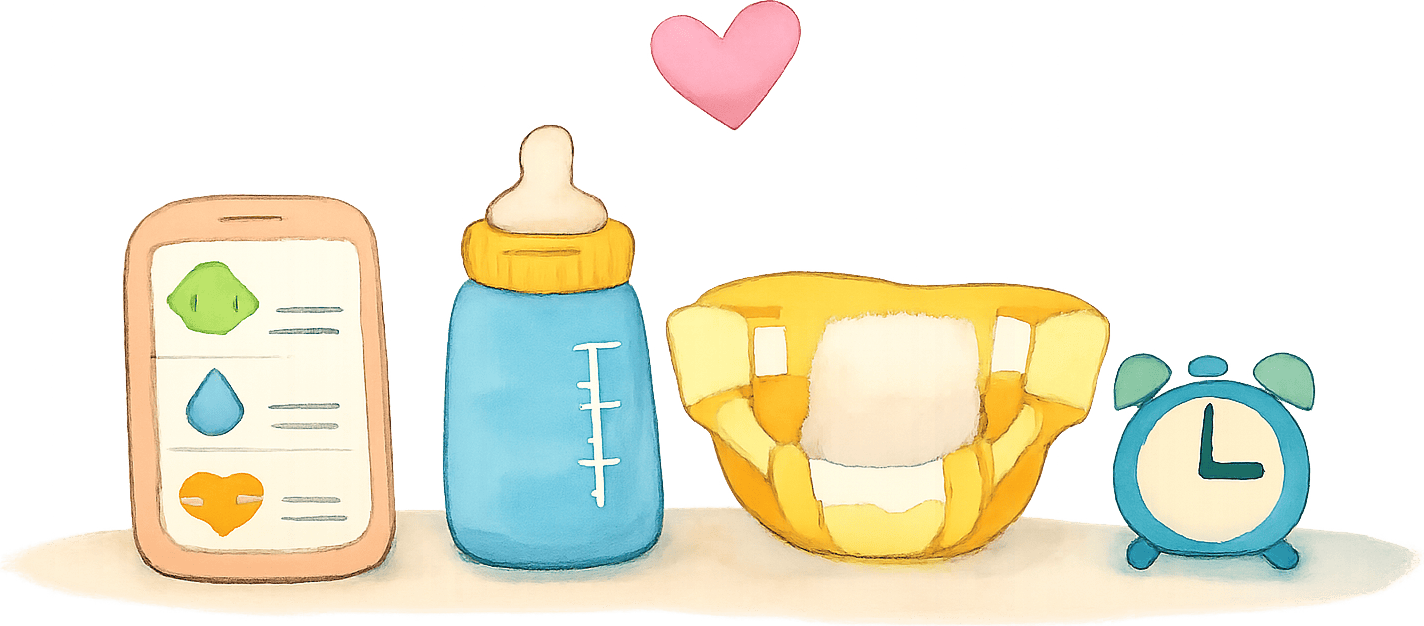
- Alimentazione: allattamento (sinistra/destra con cronometro), biberon (latte materno o formulato) e cibi solidi
- Pannolini, tiraggio del latte, crescita: tutto il monitoraggio di base, con percentili OMS per la crescita
- Suoni per dormire: rumore bianco, pioggia e suoni del mare integrati per aiutare il tuo bambino ad addormentarsi
- Tendenze e report: visualizza gli schemi nel corso di giorni e settimane, non solo una timeline di eventi
- Comandi vocali: "Ehi Siri, inizia un pisolino" oppure usa la skill Alexa per registrare a mani libere
- Libretto vaccinale: traccia le vaccinazioni e vedi cosa c'è dopo in base al calendario del tuo paese
- Apple Watch e Wear OS: registra dal polso senza prendere il telefono
- Lumi, assistente IA: fai domande sui ritmi del tuo bambino (come "Max sta dormendo abbastanza per la sua età?" o "quando ha mangiato l'ultima volta?")
Tutto si sincronizza tra i dispositivi in tempo reale e funziona sia su iOS che su Android.
Moments: condividere foto senza rinunciare alla privacy
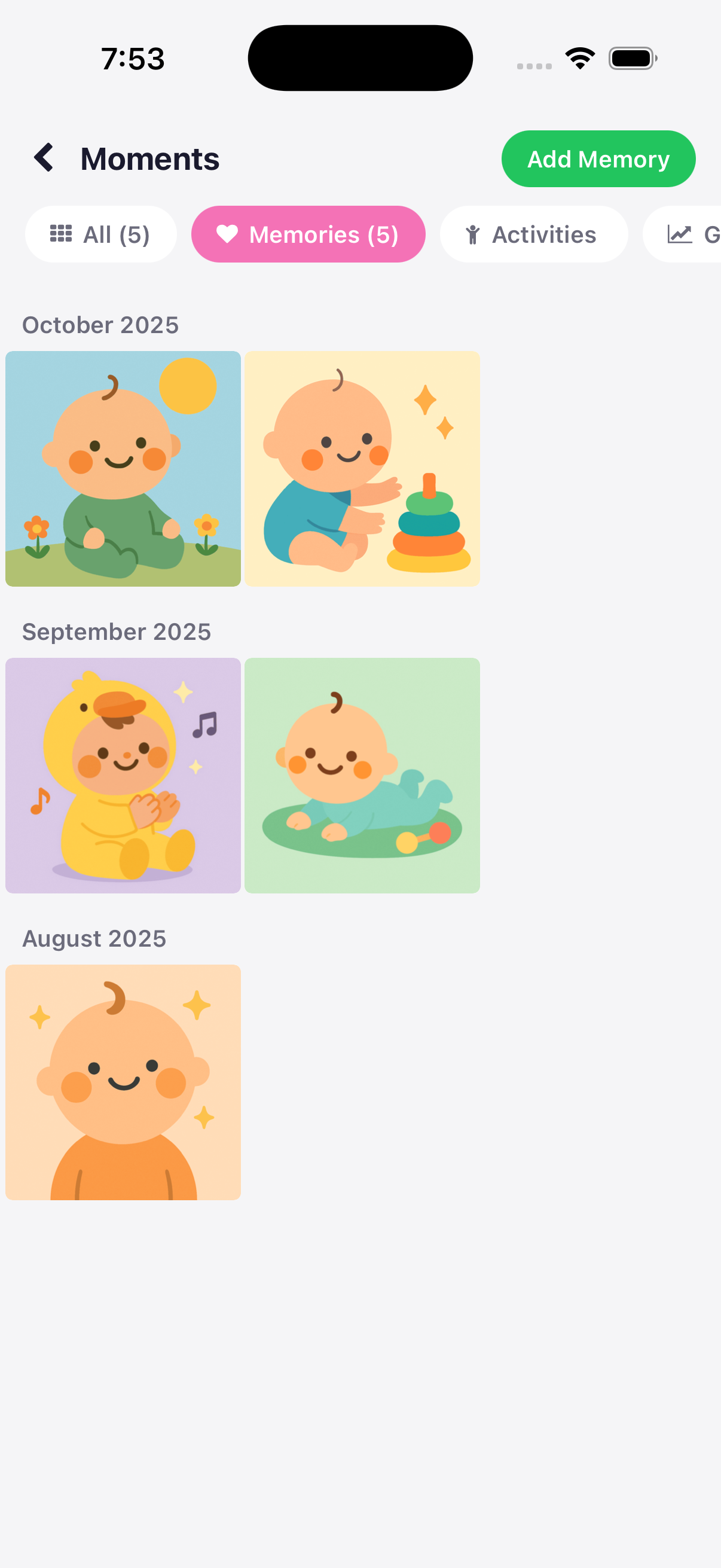
Una cosa che continuava a darmi fastidio come neo-papà: volevo condividere le foto di Max con i miei genitori e i suoceri, ma non volevo pubblicarle sui social. Il gruppo su WhatsApp funziona, ma le foto si perdono e vengono compresse, e non c'è un buon modo per rivederle dopo.
Così ho creato Moments dentro nappi. È un feed fotografico privato condiviso solo con i membri della tua famiglia nell'app. I nonni vedono le foto nuove appena vengono pubblicate, e tutto resta in famiglia. Nessun account social, nessun profilo pubblico, nessuna pubblicità. Solo una timeline semplice e privata dei momenti del tuo bambino che le persone più importanti possono seguire.
Fatto per ogni famiglia, ovunque
Molte delle app per neonati più popolari sono fatte per famiglie anglofone negli Stati Uniti. Se parli spagnolo o portoghese, le tue opzioni sono limitate.
Ho voluto che nappi funzionasse per famiglie ovunque. Questo significa supporto multilingue reale (non una spunta, ma traduzioni che suonano naturali in sei lingue), prezzi accessibili senza bloccare le funzionalità principali dietro piani costosi, e funzioni come calendari vaccinali specifici per paese. Che tu sia a Seattle, Santiago o São Paulo, l'esperienza dovrebbe sembrare costruita per te.
A che punto siamo
nappi è stato lanciato qualche mese fa. È ancora presto. Sono un team di una persona che bilancia lo sviluppo del prodotto con l'essere un neo-papà. L'app già fa tutto quello che fanno le principali (previsioni, IA, condivisione privata di foto, comandi vocali), ma sto ancora facendo crescere la base utenti.
Condivido questo perché voglio feedback da altri genitori:
- Quali funzionalità usate davvero nella vostra app per neonati?
- Cosa sbagliano le app più popolari?
- Se parlate una lingua diversa dall'inglese, avete trovato un'app che la gestisce bene?
- Cosa vi farebbe cambiare dall'app che usate oggi?
Potete usare nappi gratis con tutto il monitoraggio dal telefono, sincronizzazione familiare, il riepilogo settimanale, anteprime di 5 minuti dei suoni per dormire, esportazione CSV e 14 giorni di cronologia. Premium aggiunge SleepSense, cronologia illimitata, report aggiuntivi, suoni per dormire più lunghi e registrazione vocale dall'orologio. I prezzi degli store sono adattati al paese.